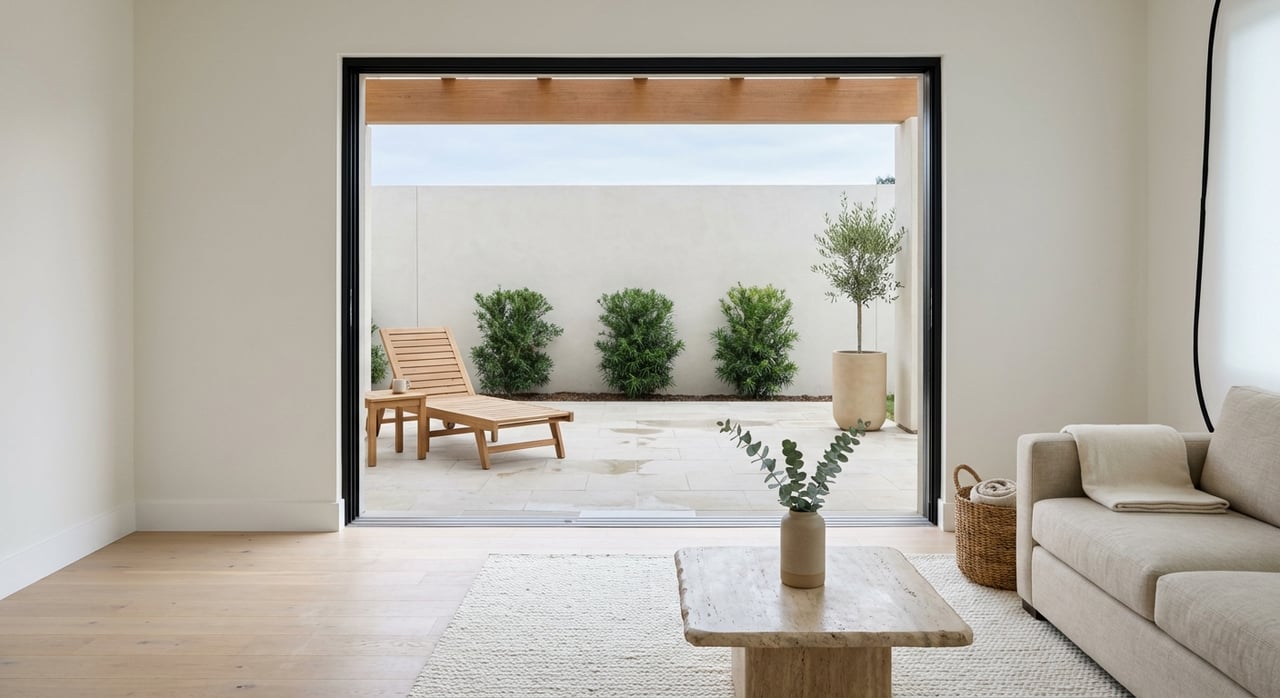
Selling in Santa Cruz asks more of your home than a quick tidy and a few photos. Salt air, morning fog, and seven-figure price points mean smart prep can unlock real money and fewer headaches. If you want buyers to fall in love on day one, your plan should blend climate-aware maintenance, thoughtful staging, standout media, and California-required disclosures. In this guide, you’ll get a clear, step-by-step playbook tailored to Santa Cruz. Let’s dive in.
Why presentation matters here
Santa Cruz is a high-priced coastal market where even small improvements can have a big payoff. A refreshed deck, a bright and warm living room, or corrosion-free railings can boost perceived value fast. That can mean stronger offers and less time on the market.
Staging works because it helps buyers picture themselves in the home. The National Association of REALTORS notes that staging can make a property easier to visualize and is often linked to quicker sales and better outcomes for sellers. You do not need to stage every room, but you should focus on the spaces buyers care about most. NAR’s staging insights are a helpful reference.
Stage for Santa Cruz climate
Santa Cruz’s marine layer is real. Foggy mornings and clearer afternoons are common, especially near the coast. The pattern can shift by neighborhood, but you should plan your schedule around it. The Bay Area’s regular marine layer and cooler mornings are well documented, so assume the best exterior light arrives later in the day. See this overview of regional fog and timing from the San Francisco Chronicle for context.
- Photography timing: Book exterior and view shots for late morning to afternoon when skies usually open up.
- Backup option: If daytime sun is unreliable, add a twilight session. Dusk images can create an emotional anchor photo and highlight patio lighting and outdoor rooms. Learn why twilight photos work from Virtuance’s photography guide.
- Interior mood: On overcast days, layer warm bulbs, open window coverings where privacy allows, and use light-toned textiles to keep interiors bright in photos and showings.
Coastal maintenance to handle first
Salt air and time-of-wetness speed up wear on paint, fasteners, railings, and HVAC components. Address these early so buyers see “well cared for,” not deferred issues.
- Exterior coatings and hardware: Touch up or repaint ocean-facing walls and trim where paint is thin or peeling. Replace rusted exterior fixtures and corroded screws or brackets with better materials. Prioritize deck fasteners, handrails, and gate latches.
- Decks and railings: Tighten connections, replace soft or failing boards, and refresh stain where it looks tired. Buyers value solid, outdoor living spaces here.
- HVAC service: Salt can coat condenser fins and reduce performance. Schedule a pre-listing tune-up and ask the technician to clean outdoor coils. Practical coastal guides recommend more frequent rinses and inspections near the ocean. Here is a helpful overview of salt-air HVAC maintenance.
- Algae and mildew: Clean green or dark staining on shaded siding and roof edges. If you spot mildew indoors, follow health-based guidance for cleanup and when to call a pro. The CDC’s mold and mildew resources are a good starting point.
Interior staging that sells
You want buyers to feel calm, bright, and welcomed from the moment they step inside. Keep it simple and strategic.
- Start with the big three: Living room, kitchen, and primary bedroom. According to NAR, these rooms carry the most weight for buyers.
- Declutter and depersonalize: Remove excess furniture, family photos, and collections so spaces look larger and lighter. Pack early. It makes moving easier too.
- Neutral, warm palette: Aim for soft whites, light wood accents, and a few coastal textures. Add warmth with throws, pillows, and rugs.
- Repair friction points: Fix leaky faucets, squeaky doors, sticking windows, and torn screens. Small mechanical issues can feel larger to buyers.
- Showcase light: Clean windows, trim plants that block sunlight, and add floor or table lamps to remove dark corners.
Outdoor spaces buyers love
Outdoor living is a Santa Cruz essential. Stage simple, durable zones that feel ready for morning coffee or sunset conversation.
- Define zones: Create a dining area, a conversation area, and a clear path from house to yard or street. Keep walkways even and clutter-free.
- Choose durable pieces: Use coastal-friendly materials and heavier furniture that will not blow over in afternoon breezes.
- Add life and color: Use low-maintenance, salt-tolerant plantings in clean pots near the entry. Keep hedges trimmed and irrigation tidy.
- Safety and care: Confirm railings are secure, steps are even, and gates latch smoothly. These details matter in showings and inspections.
Media package that moves buyers
High-quality visuals are your first showing. In a market with many out-of-area buyers, strong media brings more clicks, more visits, and better offers.
- Core package: Professional interior photos, late-day or twilight exteriors, and a short video or 3D tour. Add drone only if the property has a view or setting worth showcasing.
- Microclimate-aware timing: Shoot interiors anytime, but save decks, gardens, and view shots for when the fog lifts. If the afternoon still looks gray, keep that twilight slot.
Disclosures and inspections you need in California
Getting your disclosure packet and key inspections done early saves you time and helps avoid renegotiations later.
- Transfer Disclosure Statement: Most 1–4 unit residential sales require a TDS where you disclose known material facts about the property. Review the framework in California Civil Code §1102.
- Natural Hazard Disclosure: If your home lies in mapped hazard zones, you must deliver an NHD. The process and protections are outlined in Civil Code §1103.
- Safety certifications: California requires water-heater bracing, and smoke and carbon monoxide alarms must be installed per code. See Health & Safety Code §19211 for water-heater bracing.
- Pre-listing inspections: Order a general home inspection and a wood-destroying organism (termite) inspection. On coastal or bluff properties, ask your agent if a geologic or coastal-permitting review is wise.
- Coastal permitting check: Unpermitted exterior work near the coast can create issues in escrow. Review Santa Cruz County’s Coastal Development Permit overview and gather permit history before you list.
Tip: Delivering disclosures late can reopen short cancellation windows for buyers. Preparing your packet before going live keeps momentum.
A simple three-week prep plan
Week 0
- Hire your listing agent and align on price, goals, and timing.
- Schedule pre-listing inspections and HVAC service.
- Start disclosure prep and order the NHD.
- Create your staging and media plan with your agent.
Week 1–2
- Tackle fast repairs: paint touch-ups, railing fixes, deck stain refresh, caulking, and small plumbing or electrical items.
- Declutter and pack what you will not use in the next 30 days.
- Deep clean inside and out, including windows and exterior wash-down.
Week 2–3
- Install professional staging where needed.
- Final landscaping touches and exterior detail work.
- Professional photos and video, with a twilight session for exteriors.
- Launch listing midweek for maximum weekend traffic.
Smart budget guide
You do not have to overspend to make a strong first impression. Focus on what delivers the most value in a coastal market.
- Staging: National surveys show many sellers invest around the low thousands, with a median spend that often lands near the $1,500 range for basic professional help. Scope and months of furniture rental change the total.
- Photos and media: A professional photo set, optional drone for views, and a basic 3D tour typically range from a few hundred dollars to a few thousand depending on scope.
- NHD report: Expect a modest fee from a qualified third-party provider. Common ranges run from roughly $50 to the low hundreds. For a practical overview of NHD reports and typical fees, see this NHD guide.
Where to prioritize first in Santa Cruz:
- Exterior refresh where salt and fog show: paint touch-ups, stain, railings, hardware.
- HVAC service and coil cleaning for performance in showings.
- Staging the living room, kitchen, and primary bedroom.
- Media that highlights outdoor living, light, and any views.
Vendor checklist
- General home inspector
- WDO/termite inspector
- Licensed HVAC technician
- Licensed contractor or carpenter for decks and railings
- Professional stager
- Professional photographer and videographer
- A local listing agent who understands coastal disclosures, microclimates, and Santa Cruz buyer expectations
Ready to list with confidence
A Santa Cruz sale rewards clear planning. When you combine climate-smart maintenance, focused staging, standout media, and on-time disclosures, you give buyers the confidence to act quickly and strongly. If you would like help tailoring this plan to your home, connect with Megan DeVivo for a calm, high-touch listing experience and a polished coastal presentation.
FAQs
What rooms should I stage first in a Santa Cruz home?
- Prioritize the living room, kitchen, and primary bedroom, since buyers respond most to these spaces and they make the strongest first impression.
How do I handle foggy mornings on photo day?
- Schedule exteriors and view shots for late morning to afternoon, and add a twilight session to capture warm, inviting outdoor images if daytime sun is limited.
Which California disclosures do sellers need to provide?
- Most sellers must deliver a Transfer Disclosure Statement and a Natural Hazard Disclosure, plus certify safety items like water-heater bracing and smoke/CO alarms.
Should I get a pre-listing termite inspection in Santa Cruz?
- Yes, a WDO inspection is smart near the coast where wood exposure is common; it lets you fix issues or disclose them upfront instead of renegotiating later.
How should I prep decks and railings near the ocean?
- Tighten connections, replace corroded fasteners, repair soft boards, and refresh stain or paint so outdoor spaces feel sturdy, safe, and move-in ready.